
August 27, 2026
Establishing positive dental experiences during early childhood plays a critical role in shaping a child's lifelong perspective on healthcare and oral hygiene. A child's primary teeth serve vital functions beyond chewing, helping guide jaw development, supporting proper speech acquisition, and holding space for permanent teeth. When young patients feel anxious or fearful about dental visits, routine examinations can become challenging experiences for both children and parents. Finding a dedicated local pediatric dentist who understands childhood development, behavioral guidance techniques, and pediatric dental physiology creates a supportive foundation that transforms potentially stressful visits into constructive, encouraging milestones. Selecting the right oral care provider ensures your child receives gentle, specialized care tailored to their unique emotional and physical needs.
Unlike general dental practices that cater primarily to adult patients, pediatric oral health facilities are specially designed to accommodate the developmental stages of infants, children, and adolescents. From colorful waiting room environments to specialized miniature instruments, every aspect of pediatric care focuses on comforting young patients and minimizing anxiety. Choosing a provider who specializes in young smiles requires careful evaluation of clinical background, facility amenities, communication styles, and emergency protocols. By taking a proactive approach to selecting an experienced specialist, parents can ensure their children build healthy habits, maintain strong teeth, and feel confident during every dental appointment throughout their formative years.
1. Evaluating Specialized Professional Credentials
When searching for a qualified oral health specialist for your child, verifying specific post-graduate education and clinical training is an essential first step. Pediatric dental specialists complete additional years of advanced residency training beyond standard dental school. This rigorous post-doctoral training focuses extensively on child psychology, pediatric pharmacology, facial growth development, and specialized care for children with special healthcare needs. Partnering with a skilled local pediatric dentist guarantees that your child is treated by a practitioner who possesses deep familiarity with childhood oral conditions, primary tooth structure, and pediatric sedation safety standards.
In addition to foundational clinical education, checking board certification status provides further assurance of a practitioner's dedication to professional excellence. Board-certified specialists undergo voluntary, rigorous examinations administered by national pediatric dental boards to demonstrate advanced mastery of clinical skills and current research standards. Reviewing professional affiliations, state licensing records, and ongoing continuing education participation helps confirm that a practitioner maintains the highest clinical standards. Taking time to verify these credentials ensures your child receives comprehensive, evidence-based care delivered by a highly qualified practitioner.
2. Observing Child-Friendly Office Environments
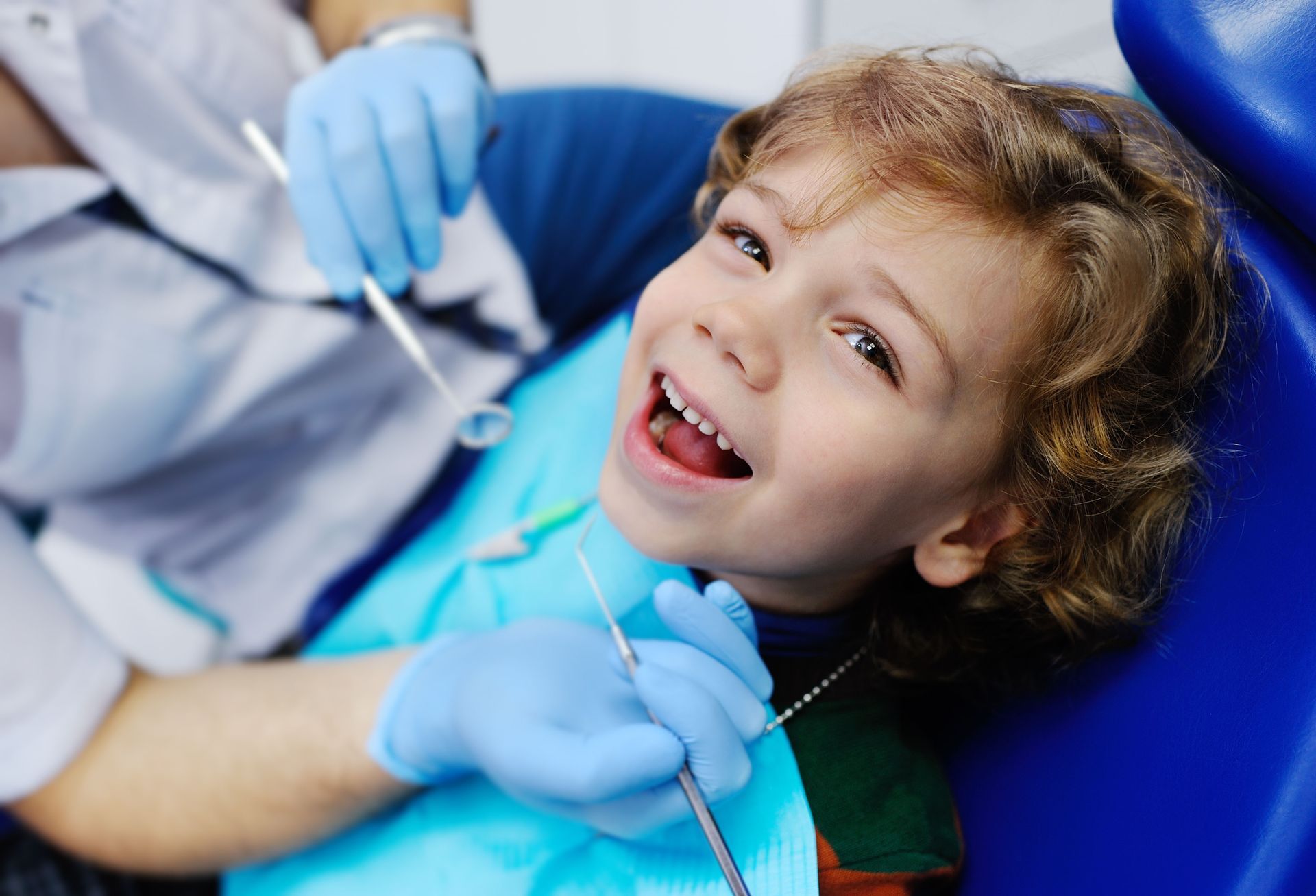
The physical atmosphere of a dental facility significantly influences a child's initial perception and emotional response to clinical care. A well-designed pediatric practice creates an inviting, non-threatening setting equipped with colorful decor, age-appropriate games, interactive toys, and soothing waiting areas. When young patients enter a space crafted specifically for their age group, feelings of intimidation are replaced with curiosity and comfort. Selecting an inviting local pediatric dentist whose office incorporates welcoming design elements helps children feel relaxed before they even step into the examination room.
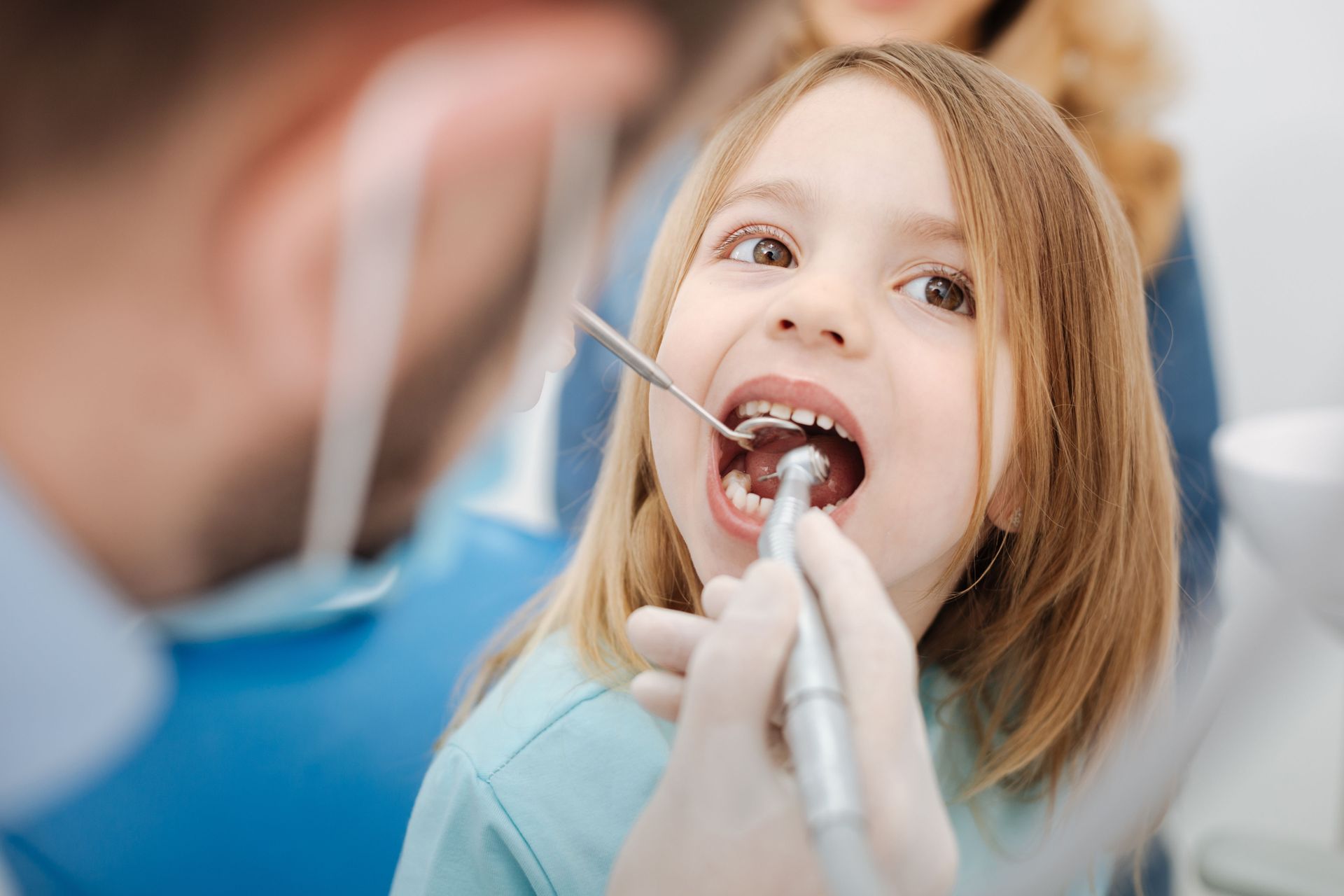
Beyond the waiting lounge, examination areas should feature specialized equipment scaled down to fit smaller mouths comfortably. Gentle digital imaging tools, quiet handpieces, and ceiling-mounted entertainment screens help distract young patients during examinations and cleanings. Furthermore, observing cleanliness, proper sterilization protocols, and welcoming staff interactions during an initial facility tour provides valuable insight into the practice's operational standards. According to the CDC, approximately 46% of adults aged 30 and older exhibit signs of periodontal disease. Instilling proactive oral hygiene routines in a supportive environment during childhood helps prevent severe periodontal complications from developing later in adult life.
3. Assessing Communication Styles and Behavioral Guidance
Effective communication tailored to a child's cognitive level is a hallmark of exceptional pediatric oral healthcare. Experienced pediatric practitioners utilize specialized communication strategies, such as the tell-show-do method, to explain procedures using gentle, non-threatening vocabulary. By demonstrating how instruments work on a prop or model before beginning treatment, practitioners demystify dental care and alleviate lingering fears. Choosing an empathetic local pediatric dentist who actively listens to your child's concerns fosters mutual understanding and helps build long-term confidence during clinical visits.
Observing how clinical staff handle nervous, uncooperative, or fearful children reveals the depth of their behavioral guidance training. Compassionate staff employ positive reinforcement, gentle distraction techniques, and patient pacing to help anxious children feel secure without feeling rushed or overwhelmed. Practitioners who take the time to answer parental questions thoroughly while maintaining a cheerful, soothing demeanor with young patients establish strong working partnerships. Evaluating these interpersonal dynamics ensures your child receives supportive guidance during every phase of their treatment.
4. Prioritizing Preventive Care and Oral Education
Preventive care serves as the cornerstone of pediatric oral health, aiming to protect young teeth against decay before painful issues arise. A comprehensive pediatric program emphasizes routine cleanings, topical fluoride treatments, dental sealants, and ongoing monitoring of jaw alignment. Sealants, for instance, form protective physical barriers over the deep grooves of back molars, effectively preventing food particles and bacteria from initiating cavities. Selecting a proactive local pediatric dentist who focuses heavily on preventive protocols keeps primary and permanent teeth healthy while avoiding invasive restorative procedures whenever possible.
Educational guidance for both parents and children is equally vital for maintaining optimal oral health between routine appointments. Quality pediatric practitioners provide tailored instructions on proper brushing techniques, flossing habits, dietary choices, and thumb-sucking cessation strategies. Empowering young patients with fun, age-appropriate knowledge turns daily tooth brushing into an engaging routine rather than a chore. By partnering with a dental team that prioritizes patient education, parents gain valuable tools to support their child's oral health development at home.
5. Verifying Emergency Care and Accessibility Protocols
Dental emergencies, such as chipped teeth, sudden toothaches, knocked-out permanent teeth, or oral soft tissue injuries, can occur unexpectedly during active play or sports activities. When an urgent situation arises, having an established relationship with a responsive dental team provides prompt relief and critical guidance. Evaluating how a practice handles after-hours emergencies, urgent appointment scheduling, and immediate triage advice is crucial when choosing a family provider. Partnering with an accessible local pediatric dentist ensures your family has immediate access to professional support when unexpected dental trauma occurs.
Additionally, practical considerations such as office location, flexible scheduling hours, and efficient administrative management contribute to a seamless care experience. A conveniently located practice with manageable appointment availability simplifies routine preventive visits around school and extracurricular commitments. Inquiring about emergency protocols and administrative responsiveness during your initial research ensures that your family's ongoing dental care remains stress-free, reliable, and fully supported through every stage of your child's growth.
Selecting a dedicated oral care provider for your child is one of the most impactful healthcare decisions a parent can make. By evaluating clinical qualifications, observing office environments, assessing behavioral guidance techniques, prioritizing preventive education, and verifying emergency protocols, parents can identify an exceptional local pediatric dentist who meets their child's specific needs. A supportive dental home helps children overcome anxiety, build positive health habits, and maintain bright, healthy smiles through every stage of childhood development. Taking proactive steps today ensures your child enjoys comfortable, encouraging dental experiences that protect their oral health for years to come.
If you are ready for a local pediatric dentist with exceptional, compassionate dental care tailored to your child's unique needs, contact us at Small Smiles Pediatric Dentistry today. We will help you establish a welcoming dental home where your child can achieve a lifetime of healthy, confident smiles.