
September 29, 2026
The importance of dental care for children cannot be overstated. Tooth decay in baby teeth is a prevalent issue many children face. According to the CDC, half of children between the ages of six and nine years old have had at least one cavity in their baby or permanent teeth. Pediatric dentists specialize in treating the unique dental needs of children, including the care of baby teeth. By understanding the methods below, parents can better support their child's dental health. The partnership between parents and pediatric dentists is vital in fostering lifelong healthy dental habits.
The Basics of Pediatric Dental Care
Regular Dental Check-Ups
Pediatric dentists emphasize the importance of regular dental check-ups. These visits are crucial for monitoring the growth and development of a child's teeth. During these check-ups, dentists can identify potential issues that may require intervention. Routine dental visits also help reinforce the significance of dental care in children. Establishing a pattern of regular appointments ensures that dental problems are addressed promptly.
Preventive Measures in Pediatric Dentistry
Preventive dentistry is foundational to pediatric dental care. By focusing on prevention, dentists aim to protect young patients from decay and gum disease. This includes educating parents and children about effective brushing and flossing techniques. Likewise, the use of dental sealants can help guard against cavities in hard-to-reach areas. Finally, regular fluoride treatments are employed to strengthen enamel and resist decay.
The Use of Fluoride Treatments
Fluoride is a mineral that is vital in preventing tooth decay. In pediatric dentistry, fluoride treatments are routinely used to fortify children's teeth. Fluoride helps rebuild weakened tooth enamel and can reverse early signs of decay. Many community water supplies already contain fluoride, complementing in-office treatments. These treatments contribute to a significant reduction in cavities, particularly in vulnerable baby teeth.
Importance of Dental Hygiene Education
Education is a core aspect of pediatric dental care. Dentists and their teams provide guidance on proper brushing, flossing, and dietary habits. Educating both children and parents encourages consistent care at home. By instilling these habits early on, pediatric dentists aim to promote lifelong oral health. Engaging educational materials and friendly discussions make the learning process enjoyable for young patients.
Customizing Care for Individual Needs
Every child's dental needs are unique, necessitating customized care plans. Pediatric dentists tailor their approach based on each child's specific requirements. These plans consider factors such as age, dental history, and any existing conditions. Customization ensures that each child receives comprehensive and effective care. The personalized approach also helps in building trust and confidence in young patients.
Common Procedures in Pediatric Dentistry
Dental Cleaning and Polishing
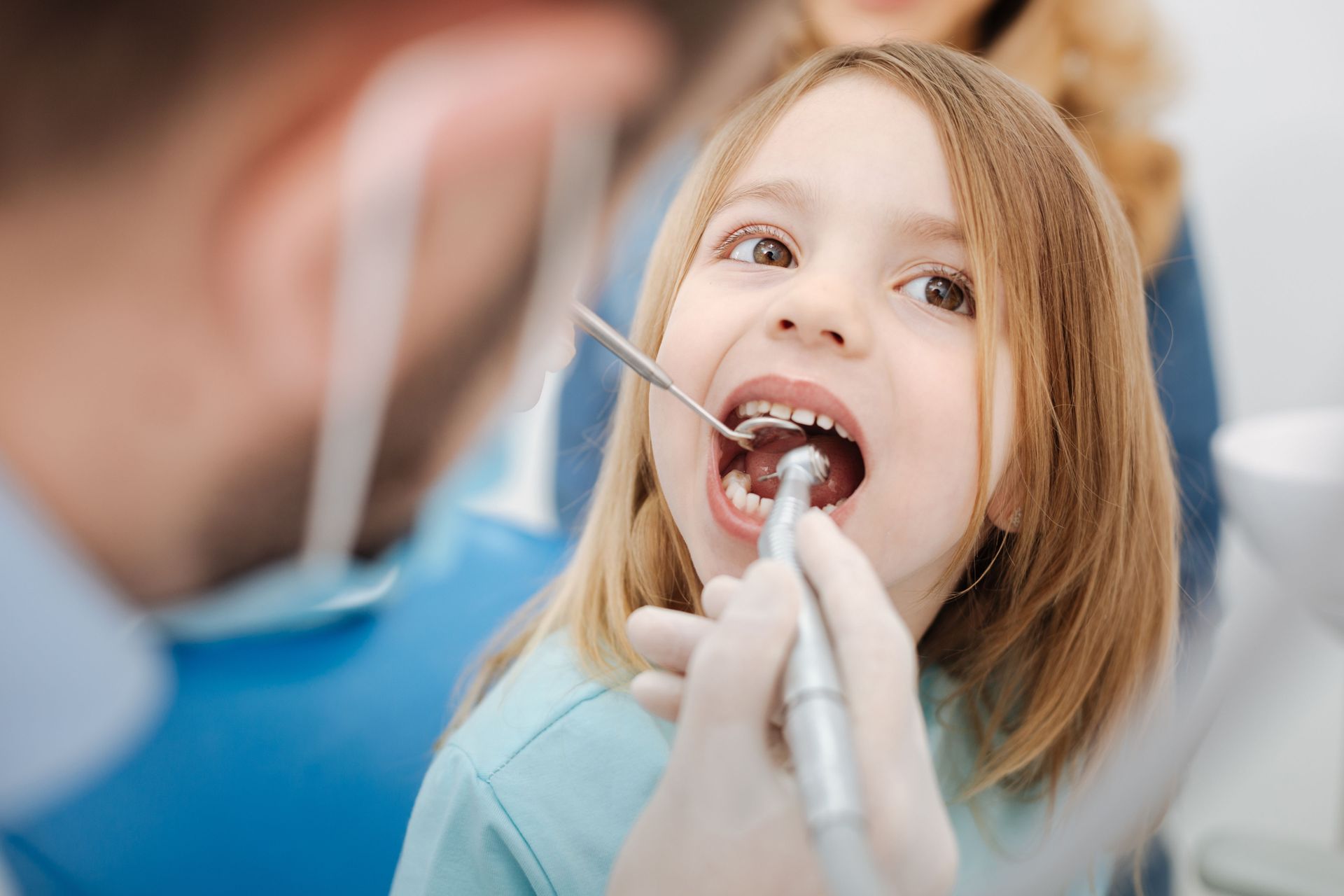
Regular dental cleanings are critical in maintaining children's oral health. Professional cleaning helps remove plaque and tartar that daily brushing may miss. This process involves the careful scaling of teeth and polishing to eliminate stains. It not only leaves the teeth looking and feeling clean but also reinforces preventive care. Children and parents can witness the tangible benefits of professional dental hygiene practices.
Sealants Application
Sealants are a protective measure used in pediatric dentistry to combat cavities. These thin plastic coatings are applied to the chewing surfaces of molars to prevent decay. Sealants block food particles and bacteria from settling into crevices where brushing alone might be inadequate. The application process is quick and painless, making it suitable for children. This preventive measure significantly reduces the risk of developing cavities at a young age.
Fillings and Restorative Techniques
Fillings are essential for restoring teeth affected by cavities or mild decay. Pediatric dentists use tooth-colored materials that blend seamlessly with natural teeth. Restorative techniques also include crowns and extractions, if necessary, to address severe decay. The focus is on preserving as much of the natural tooth structure as possible. Restoring baby teeth is vital to maintain proper spacing and function until they are naturally replaced by permanent teeth.
Managing Dental Emergencies in Kids
Dental emergencies, such as a chipped or knocked-out tooth, require immediate attention. Pediatric dentists are equipped to handle these emergencies with tailored approaches for children. They provide guidance on immediate steps parents should take before reaching the dentist. Effective management of these emergencies reduces discomfort and averts long-term complications. Quick and appropriate intervention by dentists often helps save the affected tooth.
Use of Space Maintainers
Space maintainers are devices used by pediatric dentists to deal with premature tooth loss. These appliances ensure that the spaces left by lost baby teeth remain open for the adult teeth to properly emerge. Without space maintainers, adjacent teeth can shift, leading to misalignment and orthodontic issues. The use of space maintainers is a proactive measure to preserve dental structure and function. Pediatric dentists specifically craft them to meet the individual needs of a child.
Psychological Aspects of Pediatric Dental Visits
Creating a Child-Friendly Environment
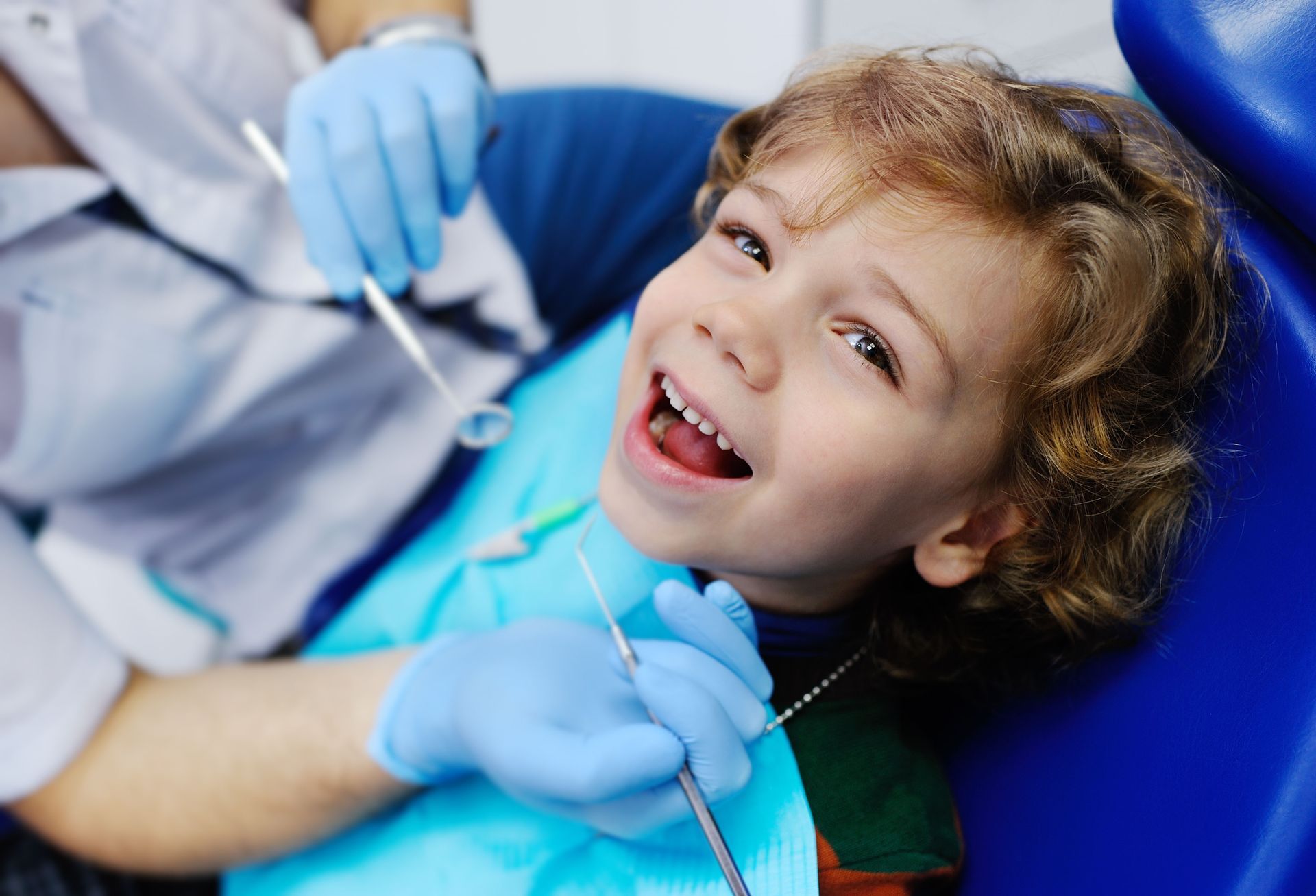
A child-friendly environment in dental practices is essential for reducing anxiety. Bright colors, playful decorations, and welcoming staff create a positive atmosphere. Friendly and engaging interactions with staff help demystify dental visits for young patients. Pediatric dentists invest in child-centered practices to make dental visits enjoyable. Creating such environments sets the stage for stress-free and cooperative appointments.
Addressing Dental Anxiety in Children
Dental anxiety is common among children but can be effectively managed. Pediatric dentists employ techniques such as behavior modeling and explanation of procedures. Simple demonstrations help familiarize children with dental instruments and procedures. Building a child's confidence through understanding and positive reinforcement is key. Having friendly conversations about dental visits reduces fear and apprehension.
The Role of Parents in Alleviating Fear
Parents play a pivotal role in easing their child's anxiety about dental visits. Preparing children by discussing what to expect fosters readiness and reduces fear. Parents can model a calm and positive demeanor to reassure their children. Reading stories or role-playing scenarios about dental visits can also help. Pediatric dentists encourage questions and discussions between parents and children to alleviate concerns.
Behavior Management Techniques
Pediatric dentists use various behavior management techniques tailored to children. Positive reinforcement, such as praise or small rewards, incentivizes good behavior. Distraction techniques can involve engaging toys, videos, or storytelling during procedures. For more anxious children, techniques like "tell-show-do" build confidence and understanding. These methods contribute to a successful and cooperative dental experience.
Communication Strategies for Young Patients
Effective communication is key in pediatric dentistry to facilitate understanding and acceptance. Dentists communicate in a simple, child-friendly manner to aid comprehension. By including children in conversations about their care, dentists foster engagement. Encouraging children to ask questions and express concerns builds confidence and trust. Through reliable communication strategies, children are better equipped to cooperate during visits.
Pediatric dental care plays a crucial role in maintaining children's overall health and well-being. Through specialized techniques, education, and personalized approaches, pediatric dentists ensure the healthy development of children's teeth and overall oral health. By instilling good oral hygiene and providing preventive care,
pediatric dentists lay the groundwork for a lifetime of healthy smiles. The collaboration between pediatric dentists, children, and parents is pivotal in achieving these goals. Empowered with knowledge and innovative care, children are positioned for lifelong oral health success.
Schedule an appointment with the compassionate team at Small Smiles Pediatric Dentistry today to give your child the gentle, skilled care that they deserve.