
May 29, 2026
Establishing early oral hygiene routines is a vital part of supporting your child's overall health and developmental milestones. Just like learning to walk or speak, discovering how to care for primary teeth sets the foundation for a lifetime of physical wellness. However, introducing a young child to a new clinical environment can often trigger feelings of uncertainty, hesitation, or fear. The sights, sounds, and unfamiliar faces of a clinic can feel overwhelming to a sensitive toddler or preschooler. Parents play a defining role in shaping how their children perceive these initial healthcare interactions, turning what could be a stressful ordeal into an exciting adventure. By preparing your child thoughtfully and establishing a positive narrative, you can minimize anxiety and ensure a smooth, successful transition.
Many parents delay scheduling these essential appointments because they dread a potential tantrum or fear their child will refuse to cooperate. While these concerns are entirely natural, avoiding early cleanings only increases the likelihood that your child's first encounter with a provider will involve emergency treatments. Proactive preparation is the key to breaking this cycle of fear, allowing your child to build a trusting relationship with their provider from an early age. Finding a trusted local pediatric dentist is the initial step toward establishing a lifetime of healthy smiles, as these specialized professionals understand how to cater to the unique psychological and emotional needs of young patients. With the right strategies, you can transform the upcoming appointment into a routine, comfortable, and even enjoyable part of your family's wellness schedule.
Demystifying Clinical Dental Environments
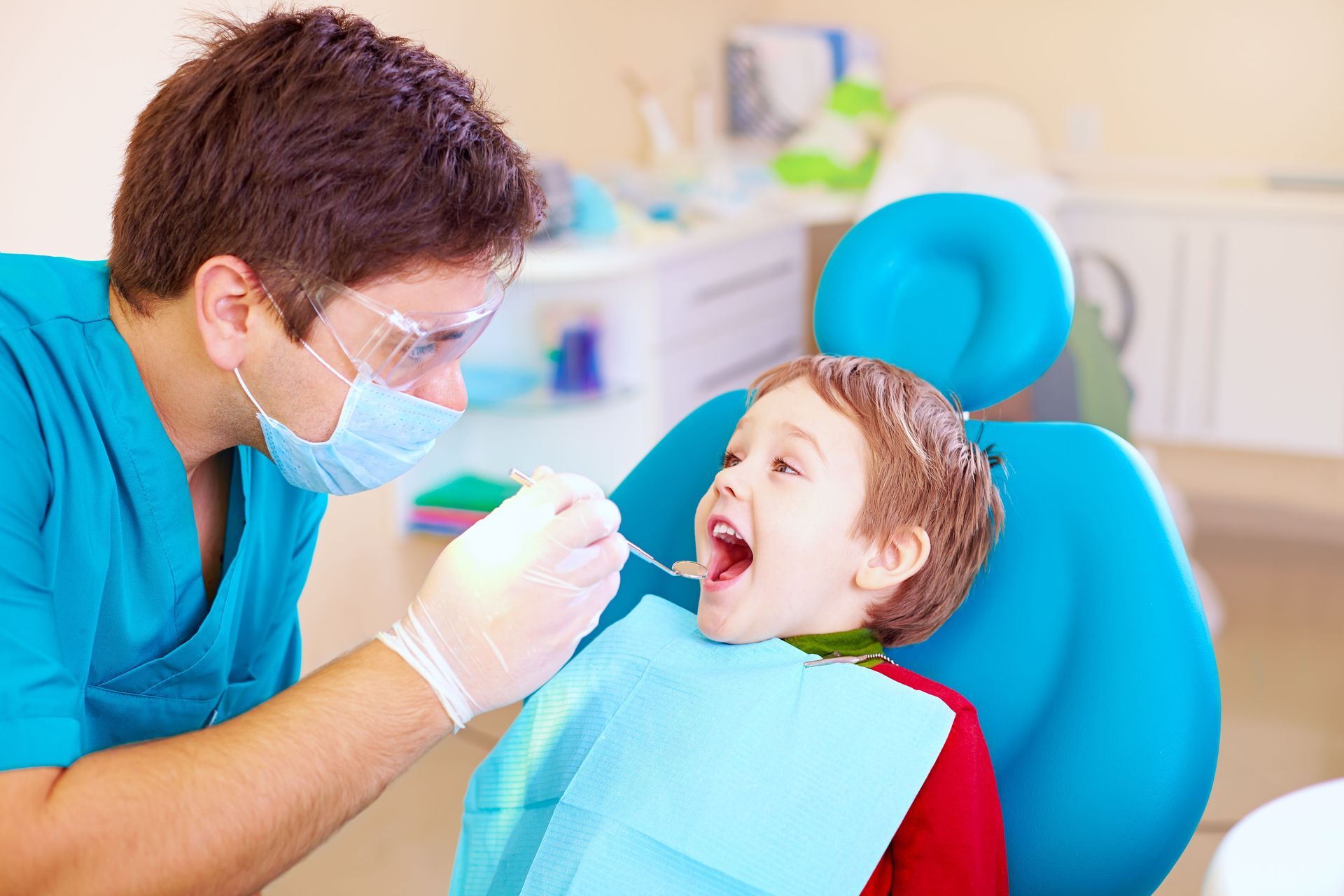
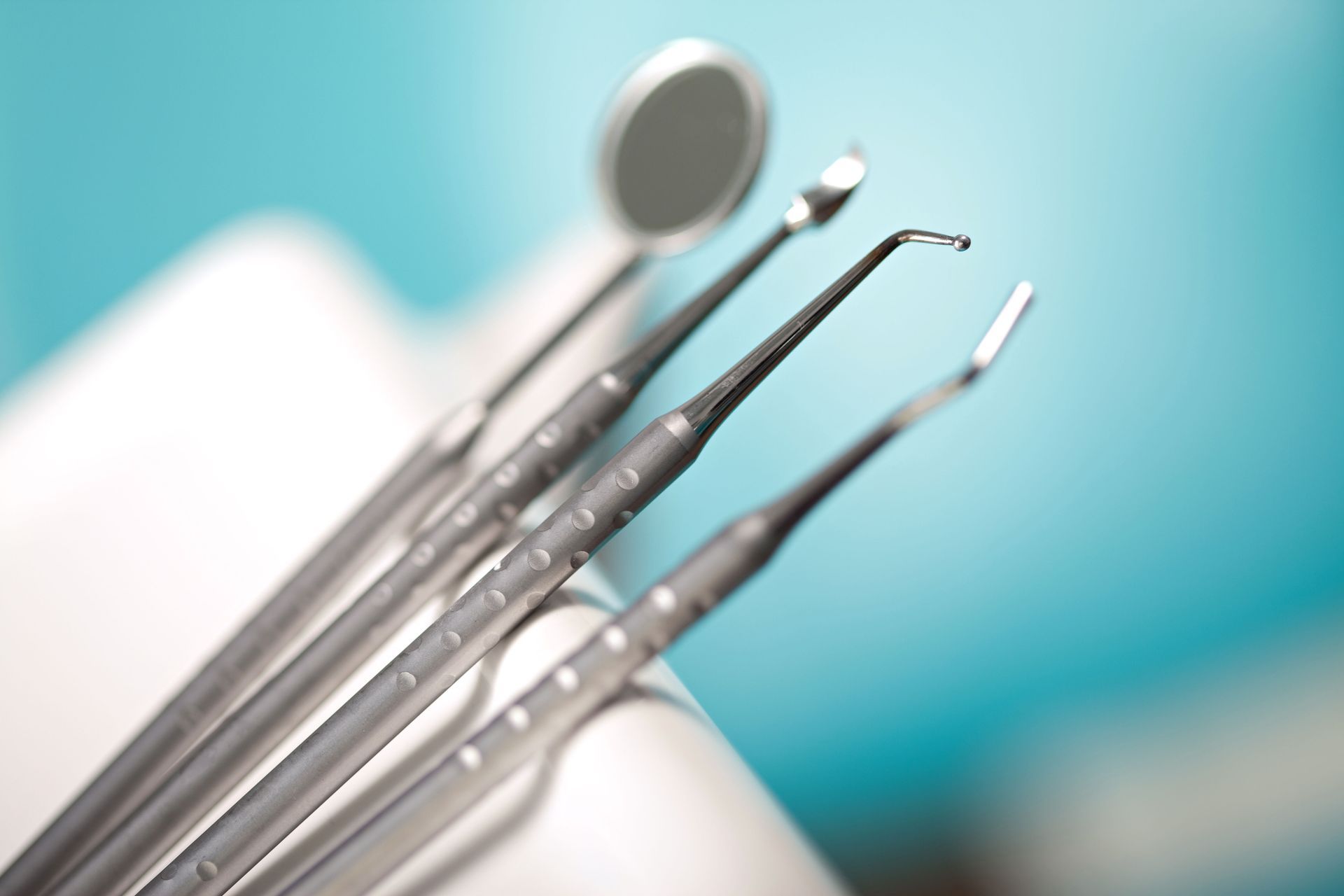
A primary source of anxiety for young children is the sheer unfamiliarity of the clinical space, which is filled with bright overhead lights, roaring suction tubes, and metallic instruments. To a small child, these unfamiliar objects can look intimidating, triggering their natural defense mechanisms. A welcoming local pediatric dentist designs their office with bright colors, interactive toys, child-sized furniture, and ceiling-mounted televisions to distract young minds and create a warm, non-threatening atmosphere. Before your scheduled appointment, you can ask the administrative team if you can take a brief, casual tour of the facility with your child. Walking through the waiting area, meeting the receptionists, and seeing other children sitting calmly in the chairs can help normalize the environment. This simple, stress-free exposure removes the mystery surrounding the clinic, allowing your child to associate the space with friendly faces rather than pain.
Roleplaying Dental Exam Procedures
Children learn about the world and process their anxieties through imaginative play, making roleplay an exceptionally powerful tool for preparing them for an upcoming checkup. Before the day of the appointment, set aside some quiet time to play "dentist" in the comfort of your living room using a favorite stuffed animal or doll. Pretending to be a local pediatric dentist during playtime can make the actual clinical visit feel like a familiar game rather than an unpredictable medical procedure. You can use a small flashlight to count your child's teeth, gently tapping them with a clean plastic spoon to mimic the dental mirror and explorer tool. Explain each step using playful, non-threatening language, such as referring to the polishing tool as a "tickling toothbrush" and the suction straw as a "thirsty wind machine." After you have examined their teeth, swap roles and let your child examine your mouth.
Reading Educational Picture Books
Storytelling is another highly effective method for teaching young children what to expect during their initial clinical visits. Children's authors have created a wealth of engaging picture books that feature beloved cartoon characters navigating their first checkups with ease and confidence. Reading these stories together before bed allows your child to visualize the sequence of events, from sitting in the moving chair to receiving a shiny sticker at the end of the visit. As you read, pause on the pages showing the clinical equipment and ask your child how they think the characters feel, opening up a safe channel for them to express any hidden fears or questions. These narrative examples provide a comforting reference point that your child can recall during their own appointment, reinforcing the idea that visiting the clinic is a normal, positive milestone that all their favorite characters experience.
Scheduling Optimal Appointment Times
The timing of your child's appointment can have a massive impact on their ability to cooperate and remain calm throughout the examination. Young children are highly sensitive to disruptions in their daily schedules, and a visit scheduled during their typical naptime is far more likely to result in irritability, fatigue, and emotional outbursts. When you schedule your visit, asking the local pediatric dentist about their peak-energy hours can help you avoid long wait times that can cause your child's anxiety to build in the waiting room. Many specialists recommend booking appointments early in the morning when children are well-rested, fed, and naturally more resilient to stress. Avoiding the late afternoon hours, when children are exhausted from school or play, ensures that your child has the emotional capacity to handle new sensory experiences with patience and curiosity.
Managing Parental Anxiety Signals
Children are incredibly perceptive and act like emotional sponges, constantly scanning their parents' facial expressions, tone of voice, and body language for signs of danger. If you feel nervous about the appointment—perhaps due to your own past negative clinical experiences—your child will immediately pick up on this tension and assume they have a reason to be afraid. To prevent transferring your fears, it is essential to maintain a calm, cheerful, and relaxed demeanor when discussing the upcoming visit. Avoid using negative or scary words such as "pain" or "hurt," even if you are trying to reassure them that those things will not happen. Instead, focus the conversation on the positive aspects of the visit, such as getting a clean, shiny smile and choosing a special toothbrush, keeping your language simple, optimistic, and matter-of-fact to project safety.
Establishing Early Care Milestones
Developing a proactive partnership with a specialized provider early in your child's development is crucial for preventing common childhood decay and ensuring proper jaw alignment. Many parents mistakenly believe that primary teeth do not require professional care because they will eventually fall out, but these early teeth are essential for speech development, proper chewing, and guiding permanent teeth into their correct positions. According to the American Academy of Pediatric Dentistry, children should see a pediatric dentist after their first tooth appears, then twice every 12 months afterwards. Establishing this regular cycle of care ensures that a local pediatric dentist can monitor your child's oral development closely, applying preventative treatments like fluoride varnishes or sealants before decay can take hold. These routine, stress-free visits also help your child normalize the experience, building a positive habit of oral care.
Promoting Positive Reinforcement Techniques
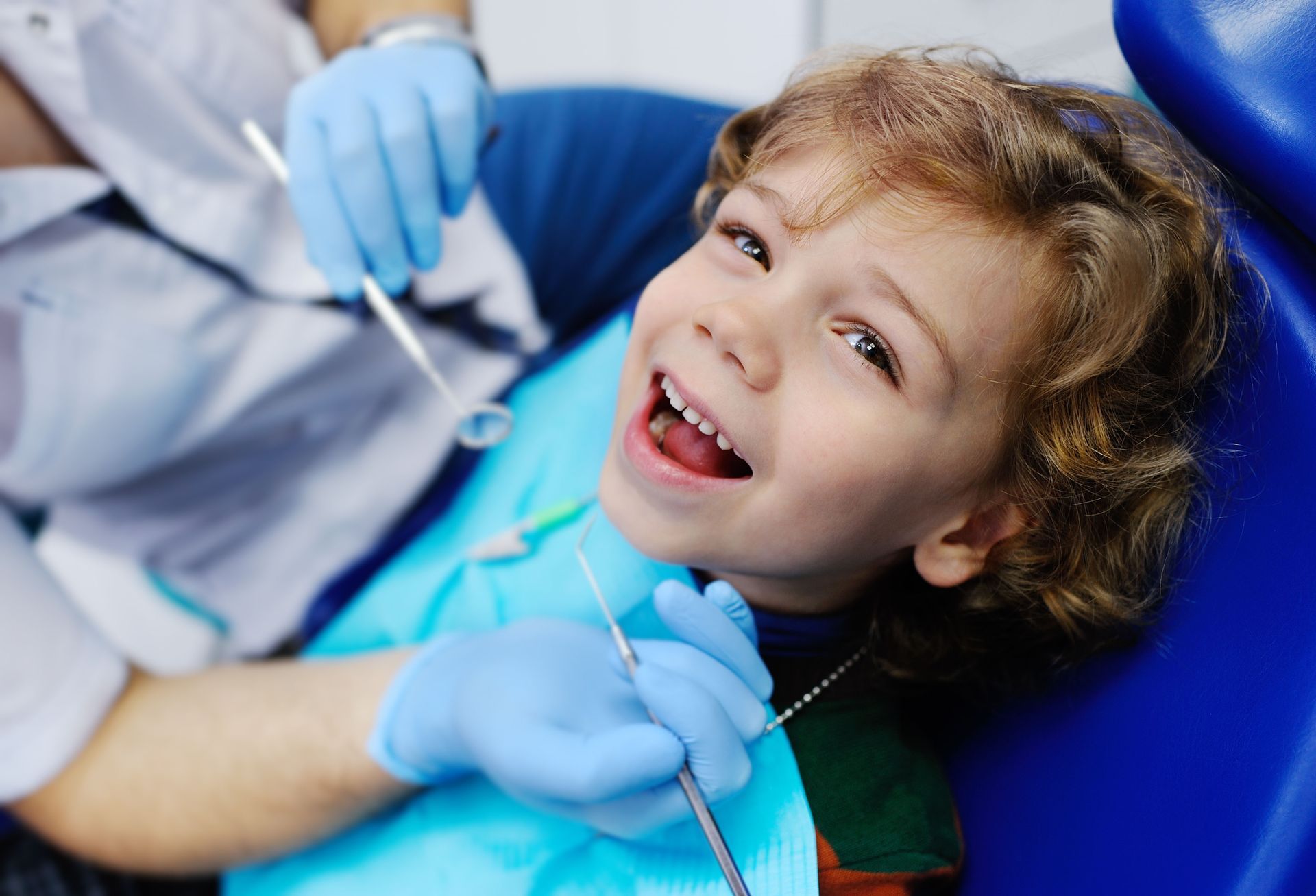
The way you celebrate the completion of a successful clinical visit can set the tone for all future appointments, turning a challenging milestone into a proud achievement. After the exam is complete, offer immediate, enthusiastic verbal praise, focusing on specific positive behaviors your child displayed, such as holding their mouth open wide or sitting still in the chair. This positive reinforcement builds their self-esteem and helps them associate the clinic with success and personal pride. Many offices provide a treasure chest of small prizes, stickers, or colorful toothbrushes, which acts as an exciting reward for their bravery. You can also plan a fun post-appointment activity, such as a trip to the local park or a special playdate, giving them something positive to look forward to during the appointment and ensuring they leave the clinic with a happy memory.
At Small Smiles Pediatric Dentistry, we are dedicated to helping you prepare your child for a positive experience with a
local pediatric dentist who understands their unique needs. Our experienced and compassionate team works tirelessly to create a fun, welcoming, and sensory-friendly environment where your child can build healthy habits and a beautiful smile. Contact our office today to schedule your child's initial visit and let us help you start their journey toward a lifetime of excellent oral health with confidence.