
July 6, 2026
The milestone of a child’s first tooth breaking through the gums is a moment of profound celebration for parents, signaling a new and exciting chapter in overall growth and physical development. However, that tiny white speck emerging from the gums also represents the official beginning of a lifelong journey in oral health. While many well-meaning parents assume that general dental practitioners can seamlessly handle the needs of every family member under one roof, young smiles require a highly specialized touch. The oral anatomy, bone structure, and behavioral patterns of a developing child are vastly different from those of an adult, demanding unique clinical expertise, adapted techniques, and a gentle psychological approach. Prioritizing specialized care during these early, formative years sets the stage for a lifetime of confident, healthy smiles. Choosing the right path for early oral care shapes a child's perception of healthcare for decades to come, transforming routine maintenance into a positive, life-affirming habit.
Prioritizing Early Specialized Evaluation
The foundation of a lifetime of exceptional oral health begins much earlier than most families realize. Professional global dental organizations consistently recommend that a child visit a dental professional by their first birthday or within a few short months of the initial eruption of their first primary tooth. Seeking care from pediatric dentists during infancy allows for comprehensive early risk assessment and proactive wellness management before issues have the chance to develop. These specialists carefully evaluate the alignment of the jaw, check for subtle signs of early childhood caries, and monitor the vascular development of soft oral tissues.
This initial visit is less about intensive clinical treatment and more about establishing a healthy baseline for future growth. Catching potential issues before they advance ensures simpler, less invasive interventions later in childhood, sparing the child discomfort and saving parents from unnecessary stress. Furthermore, early evaluations provide parents with a trusted, highly knowledgeable resource for navigating the rapidly changing landscape of a child's oral development, offering peace of mind from the very beginning.
Creating Comfortable Clinical Environments
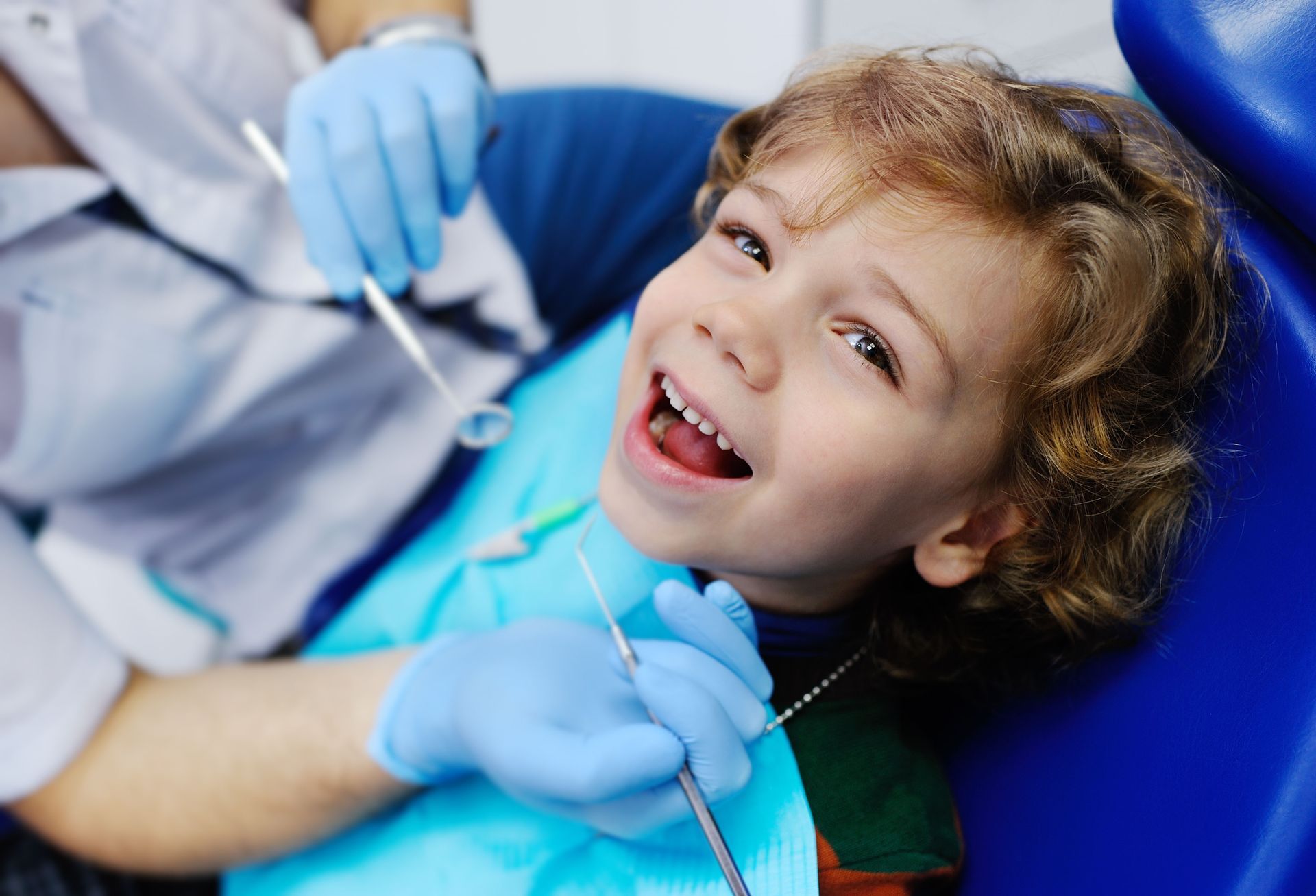
A primary barrier to consistent, lifelong dental care for individuals of all ages is deep-seated anxiety, which frequently stems from distressing childhood experiences in a clinical setting. Specialists in youth dental care meticulously design their entire practices to counteract this common issue, focusing on sensory comfort and emotional security. From the welcoming reception area filled with engaging books, interactive toys, and bright, soothing murals to the treatment rooms equipped with child-sized instruments, every single detail is intentional.
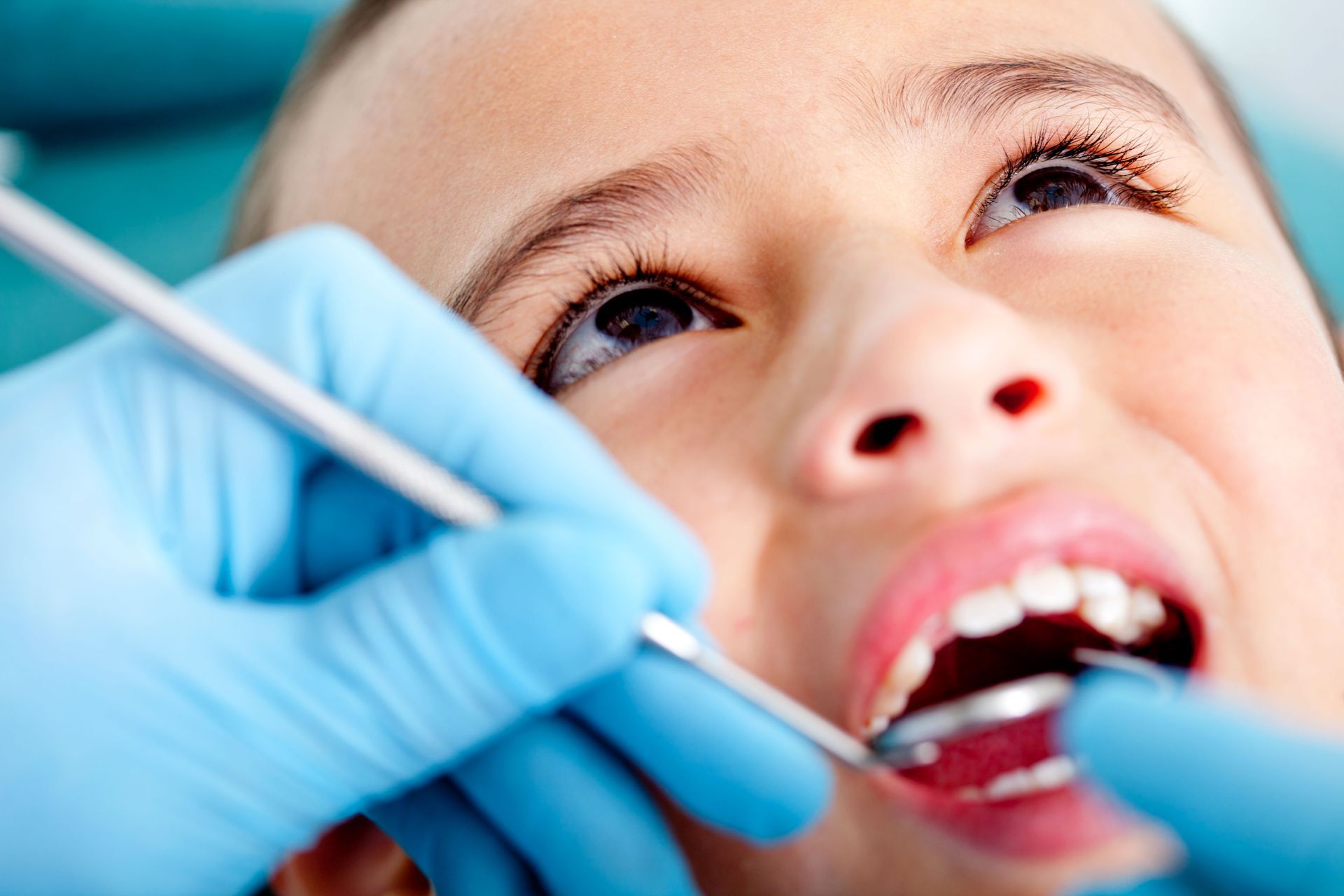
Because pediatric dentists undergo extensive, advanced training beyond traditional dental school, they focus heavily on child psychology, developmental milestones, and positive behavioral management techniques. They utilize specialized, time-tested communication methods like the tell-show-do protocol, which involves explaining complex clinical procedures in sensory, entirely non-frightening terms before initiating any care. This careful, empathetic approach successfully transforms what could be a terrifying, overwhelming ordeal into an educational, empowering adventure. When children feel genuinely safe, respected, and heard in the dental chair, they form positive associations with oral healthcare that persist well into adulthood, breaking the cycle of dental phobia for future generations.
Monitoring Growth and Dental Development
A child’s mouth is a dynamic, rapidly evolving environment characterized by continuous transformation. Over a relatively short span of time, primary teeth erupt, loosen, shed, and give way to permanent teeth, all while the surrounding jawbone expands, elongates, and changes shape to accommodate adult dentition. Specialized practitioners possess deep, nuanced expertise in tracking these complex developmental sequences and understanding how they interlock with overall physical maturity. They can anticipate spatial issues, identify congenital absences of permanent teeth, and detect emerging malocclusions long before they become visible to an untrained eye or cause functional discomfort.
By tracking these anatomical changes closely, pediatric dentists can recommend timely, strategic interceptive orthodontic guidance. This proactive stance can significantly reduce the complexity of future orthodontic treatments or, in many unique cases, eliminate the need for extensive, painful structural corrections altogether. Ensuring that both primary and permanent teeth emerge in their proper positions and trajectories supports clear speech development, efficient nutritional chewing, and beautifully balanced facial aesthetics.
Educating Families on Preventive Care
Preventive care remains the absolute cornerstone of youth dentistry, and comprehensive education is undoubtedly its most powerful tool. Specialists spend a significant portion of each clinical visit guiding both children and their parents through the fine nuances of customized home hygiene routines. For the youngest patients, this involves teaching parents the correct way to gently cleanse infant gums and care for emerging primary teeth. As children grow, these providers teach proper brushing and flossing techniques using interactive, highly age-appropriate demonstrations that make hygiene feel like a game rather than a chore.
Dietary counseling is another vital component of this educational outreach, as identifying hidden sugars in everyday snacks and beverages can dramatically lower a child's systemic risk of decay. A major element of this preventive framework involves understanding and utilizing community health measures that provide widespread protection. According to the CDC, Fluoridated water reduces cavities by approximately 25% in children and adults. By combining broad, systemic benefits like fluoridated water with localized topical treatments and diligent home hygiene, families can build an impenetrable, highly effective defense against tooth decay, keeping smiles bright and strong.
Managing Complex Behavioral Healthcare Needs
Not every child can easily sit quietly in a traditional dental chair, and many require a much higher level of patience, personalized accommodation, and clinical adaptability. Children with neurodivergent conditions, sensory processing sensitivities, physical disabilities, or complex medical histories face unique, often overwhelming challenges during standard dental visits.
Fortunately, pediatric dentists receive extensive, hands-on training during their multi-year residencies to provide comprehensive, empathetic care for patients with diverse needs. They know exactly how to modify the clinical environment, adjust ambient lighting and sound levels, and use specific, reassuring communication strategies to soothe an overwhelmed or overstimulated patient. When standard behavioral techniques are simply insufficient for complex or lengthy procedures, these specialists are fully qualified to utilize safe, controlled sedation options or coordinate comprehensive care within specialized hospital settings.
Treating Dynamic Pediatric Dental Trauma
Children are inherently active, curious beings who constantly explore their physical world through energetic play, organized sports, and outdoor adventures. Unfortunately, this high level of physical activity also makes them uniquely susceptible to sudden dental injuries, such as chipped, fractured, displaced, or completely dislodged teeth. When an unexpected oral injury occurs, the immediate care provided by a professional can dictate whether a tooth can be successfully saved or if it will be lost permanently.
Navigating the diverse dental developmental milestones of childhood requires far more than just routine cleanings and standard checkups; it demands a dedicated partnership with a compassionate professional who deeply understands the unique physical, structural, and emotional needs of growing smiles. By choosing specialized care from the very beginning, parents give their children the lifelong gift of a positive, completely anxiety-free relationship with healthcare providers. These foundational, uplifting experiences build the internal confidence necessary for children to maintain independent, healthy habits as they mature into adulthood. Safeguarding a child’s smile means investing heavily in specialized expertise, tailored clinical environments, and compassionate, patient guidance from infancy all the way through adolescence. If you are ready to establish a nurturing, joyful dental home for your child, reach out to Small Smiles Pediatric Dentistry to schedule an initial consultation and secure a vibrant, beautifully healthy future for your little one's smile.