
November 25, 2026
Understanding the ins and outs of children's dental health can be challenging for parents. When it comes to procedures that might cause anxiety or discomfort, kids sedation dentistry offers a solution. This article explores when you might consider sedation dentistry for your child, aiming to alleviate any concerns you may have about this approach and help you make an informed decision. With this guide, we delve into the circumstances, benefits, and potential risks involved in sedation dentistry, providing you with a comprehensive overview. Sedation dentistry has become a valuable tool in pediatric dentistry, where ensuring a child’s comfort and safety during dental procedures is a top priority.
Understanding How Kids Sedation Dentistry Works Safely
Defining Mild, Moderate, and Deep Pediatric Sedation
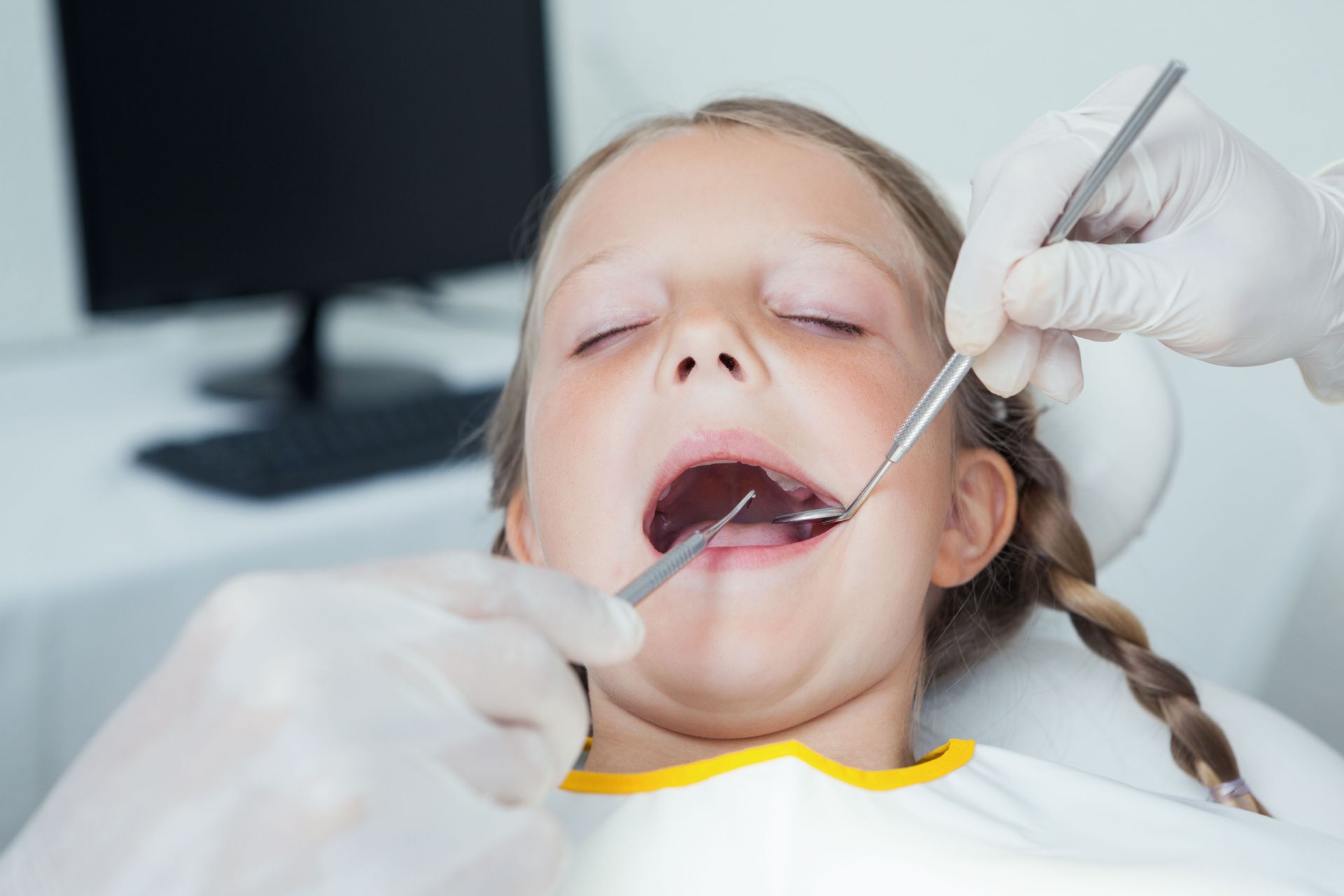
Sedation dentistry involves the use of medication to help patients relax during dental procedures. It ranges in intensity from mild, where patients are relaxed but awake, to deep sedation, where they are nearly unconscious. Mild sedation, often achieved with nitrous oxide, is the most common form used for children. Moderate sedation keeps the child more relaxed but still responsive, while deep sedation is used for more invasive procedures. Selecting the right type of kids sedation dentistry depends on the child’s specific needs, the procedure, and the dentist’s judgment.
Identifying When Pediatric Dental Sedation Becomes Necessary
Sedation dentistry is beneficial in various situations, such as when a child requires a lengthy or complex procedure that might be traumatic when performed without sedation. It is also vital for children who experience severe anxiety or fear about visiting the dentist, as this can significantly affect their ability to undergo necessary dental care. According to ScienceDirect, approximately one-third of young children globally experience Dental Fear Anxiety. In such cases, kids sedation dentistry can provide a calmer experience, allowing the dental professional to work more effectively. Additionally, children with special healthcare needs may benefit from sedation if they find traditional dental examinations challenging.
Comparing Safe Sedation Options Used for Children
Different forms of sedation are available specifically for children, each varying in administration and depth of sedation. Nitrous oxide, commonly known as laughing gas, is inhaled through a mask and is widely regarded as safe and effective for mild sedation. Oral sedation involves medication taken by mouth, producing a moderate level of sedation. For situations requiring deeper sedation, intravenous (IV) sedation may be administered, although it's less common for young children. Each type of sedation has its own protocol and must be administered with strict adherence to safety standards.
Recognizing Signs Your Child Needs Dental Sedation
Spotting Severe Dental Anxiety or Appointment Fear
For children with a pronounced fear or anxiety about visiting the dentist, kids sedation dentistry might be a consideration worth exploring. This anxiety can manifest as nervousness days before the visit or refusal to attend scheduled appointments. Children may exhibit crying or physical distress in the dental chair, complicating the completion of necessary dental procedures. Sedation can be a tool to mitigate these fears, allowing for a calmer and more cooperative dental visit. It’s important to recognize these signs early and discuss them with your child’s dentist to determine the best approach to their care.
Supporting Children With Special Healthcare Needs
Children with special healthcare needs often require unique considerations when it comes to dental care. Cognitive or physical disabilities might make traditional dental visits challenging or impossible without some form of assistance. Sedation can provide an effective means to safely and comfortably deliver the required dental care to these children. It allows them to receive the same quality care as others without undue stress or discomfort. Parents should communicate their child’s specific needs to healthcare providers to determine the best approach for sedation.
Managing Complex or Extensive Pediatric Dental Procedures
Dental procedures such as multiple extractions or fillings, root canals, or other invasive treatments can be lengthy and difficult for children to endure without sedation. For children with limited tolerance to lengthy procedures, kids sedation dentistry offers a way to complete necessary work in fewer visits. This approach not only enhances the quality of care but minimizes trauma and discomfort associated with prolonged or repeated visits. Discussing the procedure's complexity with the dentist can help parents decide if sedation is the appropriate option. Effective communication can guide the selection of sedation as a means to achieve the best outcome for extensive dental work.
Choosing a Qualified Pediatric Dentist for Sedation
Verifying Board Certifications and Pediatric Sedation Credentials
In selecting a pediatric dentist who offers sedation services, parents should assess the qualifications and certifications of the dentist. Board certification in pediatric dentistry indicates a specialized focus on the oral health of children, suggesting additional training and expertise. Training in kids sedation dentistry involves rigorous certification in providing safe and effective sedation. This specialized training equips the dentist with knowledge about various sedation techniques and their appropriate application. Ensuring that these qualifications are present should be a priority to guarantee the best care for your child.
Preparing Through a Comprehensive Pre-Sedation Consultation Process
A comprehensive consultation process is essential in preparing both the parent and the child for kids sedation dentistry. An initial consult should include a thorough health and dental history assessment to determine sedation suitability. Parents should feel comfortable asking questions about the sedation process, including potential risks and benefits, to make an informed decision. This dialog fosters transparency and confidence, allowing the dentist to address any concerns and customize the sedation plan accordingly. The consultation aims not only to prepare for the procedure but also to build a collaborative relationship with dental caregivers.
Exploring Key Benefits of Pediatric Sedation Dentistry
Relieving Childhood Dental Fear and Physical Discomfort
One of the primary benefits of sedation dentistry for children is the significant reduction in anxiety and discomfort during dental procedures. Sedation helps children relax, allowing them to remain calm and stress-free. This relaxed state supports a more positive dental visit, as children are less likely to exhibit fear-induced behaviors. Sedation not only improves the immediate experience but also helps build a more favorable outlook on dental care. For children with high dental fear anxiety, sedation dentistry can be a transformative tool that eases anxiety and develops a more positive dental perspective.
Achieving Safer and More Accurate Treatment Outcomes
Sedation can greatly enhance the quality and outcome of dental procedures for children. When a child is calm and cooperative, dentists can work more efficiently and effectively, leading to more thorough and successful treatments. This minimizes the likelihood of errors or complications stemming from child movement or distress during procedures. Furthermore, sedation enables dental care providers to perform necessary treatments without the need for multiple visits, reducing the physical and emotional toll on the child. The ability to achieve high-quality outcomes through sedation encourages a more proactive approach to addressing dental issues early.
Encouraging Calm Cooperation During Routine Dental Visits
Sedation promotes an environment where children display increased cooperation during dental procedures. By minimizing fear and discomfort, children are more likely to follow instructions and relax in the dental chair. This cooperative behavior allows for quicker, smoother appointments, which can be less stressful for both the child and the dental staff. The opportunity for a seamless experience encourages children to maintain regular dental check-ups, ensuring good oral health. Encouraging a cooperative mentality through sedation reinforces the importance of dental care, creating a foundation for positive oral habits in the future.
Recognizing when your child could benefit from kids sedation dentistry empowers you to turn potentially stressful appointments into calm, positive healthcare experiences. Whether your child struggles with severe dental anxiety, has special healthcare needs, or requires extensive restorative treatments, tailored sedation options prioritize their comfort and safety at every step. Partnering with a certified, experienced pediatric dentist ensures that the chosen sedation level matches your child's individual medical profile and emotional needs. By addressing dental fears early and compassionately, you help protect your child's oral health while building lifelong confidence in visiting the dentist.
Give your child a calm, comfortable, and fear-free dental visit by contacting Small Smiles Pediatric Dentistry today to schedule your consultation!